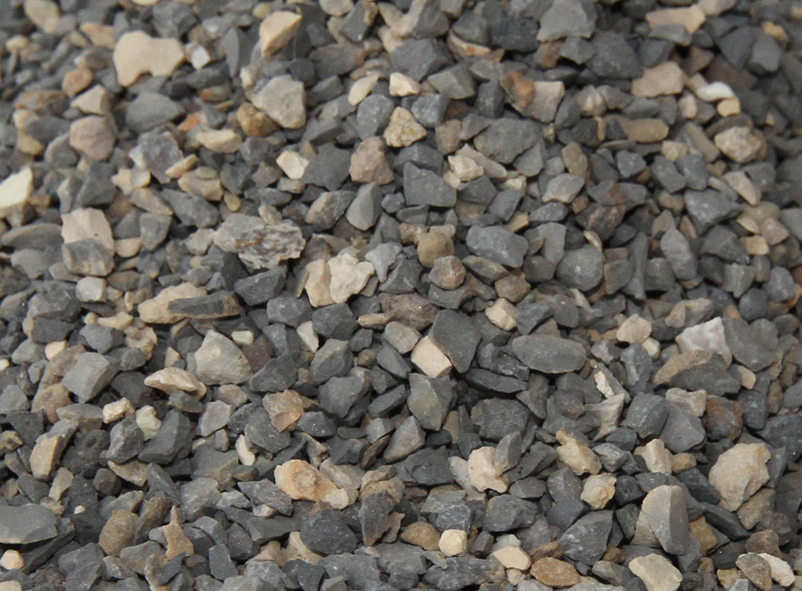
Calcined bauxite is an alumina-based material produced by firing natural bauxite at high temperatures (typically 1400–1600°C). With key properties including high alumina content (Al₂O₃ ≥ 85%), high density, low water absorption, excellent wear resistance, and superior thermal stability, it has become an indispensable raw material in refractories, high-alumina cement, brown fused alumina abrasives, oil proppants, and wear-resistant pavement applications.
I. Expanding Application Areas
🔥 Refractories
Calcined bauxite serves as the core aggregate in high-alumina refractory bricks, castables, and ladle lining materials. As industries such as steel, cement, and glass demand longer furnace life and greater energy efficiency, the need for high-density, low-porosity high-quality bauxite continues to grow steadily.
⚙️ Abrasives & Sandblasting
As the primary raw material for brown fused alumina, the purity and crystal structure of calcined bauxite directly determine the hardness, toughness, and self-sharpening properties of the final abrasive products. It forms the foundation for consistent performance in sandblasting, cutting wheels, grinding wheels, and related applications.
🛢️ Oil Proppants
Calcined bauxite is a key raw material in ceramic proppants. In shale oil and gas extraction, high-strength, acid-resistant proppants are critical to the success of fracturing operations, placing higher demands on the sphericity and strength of the bauxite used.
🛣️ Wear-Resistant Pavements & Anti-Slip Coatings
Thanks to its high hardness and abrasion resistance, calcined bauxite aggregate is widely used in high-wear, anti-slip pavement applications such as airport runways, highways, and bridge decks.
II. Market Trends: Moving Toward Higher Purity & Customization
In recent years, the global calcined bauxite market has shown the following clear trends:
Trend
|
Description
|
Higher Purity
|
Stricter control over impurities (Fe₂O₃, TiO₂, K₂O, etc.) by downstream industries is driving demand for high-purity bauxite (Al₂O₃ ≥ 88–90%).
|
Customized Particle Size
|
Refractories, abrasives, and proppants increasingly require precise particle size distribution, making screening and grading technologies core competitive advantages.
|
Environmental Compliance
|
Energy consumption and emissions from calcining processes are under tighter regulation. Clean production and waste heat recovery have become key priorities for industry upgrades.
|
Supply Chain Stability
|
With the concentration of high-quality bauxite resources increasing, long-term, stable raw material supply has become a critical factor for customers when selecting suppliers.
|
III. China: The Global Production & Export Hub for Calcined Bauxite
China is rich in bauxite resources, primarily distributed in Shanxi, Henan, Guizhou, and Guangxi provinces. As the world’s largest producer and exporter of calcined bauxite, China supplies high-temperature industries and precision manufacturing sectors globally through its mature calcination processes and well-developed supply chain.
In recent years, amid tightening environmental policies and accelerating resource consolidation, the industry is shifting from extensive production toward higher value-added, greener, and smarter operations. Companies with stable raw material sources, advanced kiln technologies, and rigorous quality control systems are gaining greater recognition in international markets.
IV. Industry Outlook
Looking ahead, the calcined bauxite market is expected to exhibit the following characteristics:
✅ High-End Applications Driving Quality Upgrades
Sectors such as aerospace, precision casting, and new energy vehicles will continue to drive demand for high-purity bauxite.
✅ Green & Low-Carbon Becoming a Core Requirement
Energy efficiency optimization and carbon emission control in the calcining process will be key competitive differentiators.
✅ Global Supply Chain Restructuring
Amid geopolitical shifts and resource nationalism, a stable and traceable supply chain will become increasingly valuable.