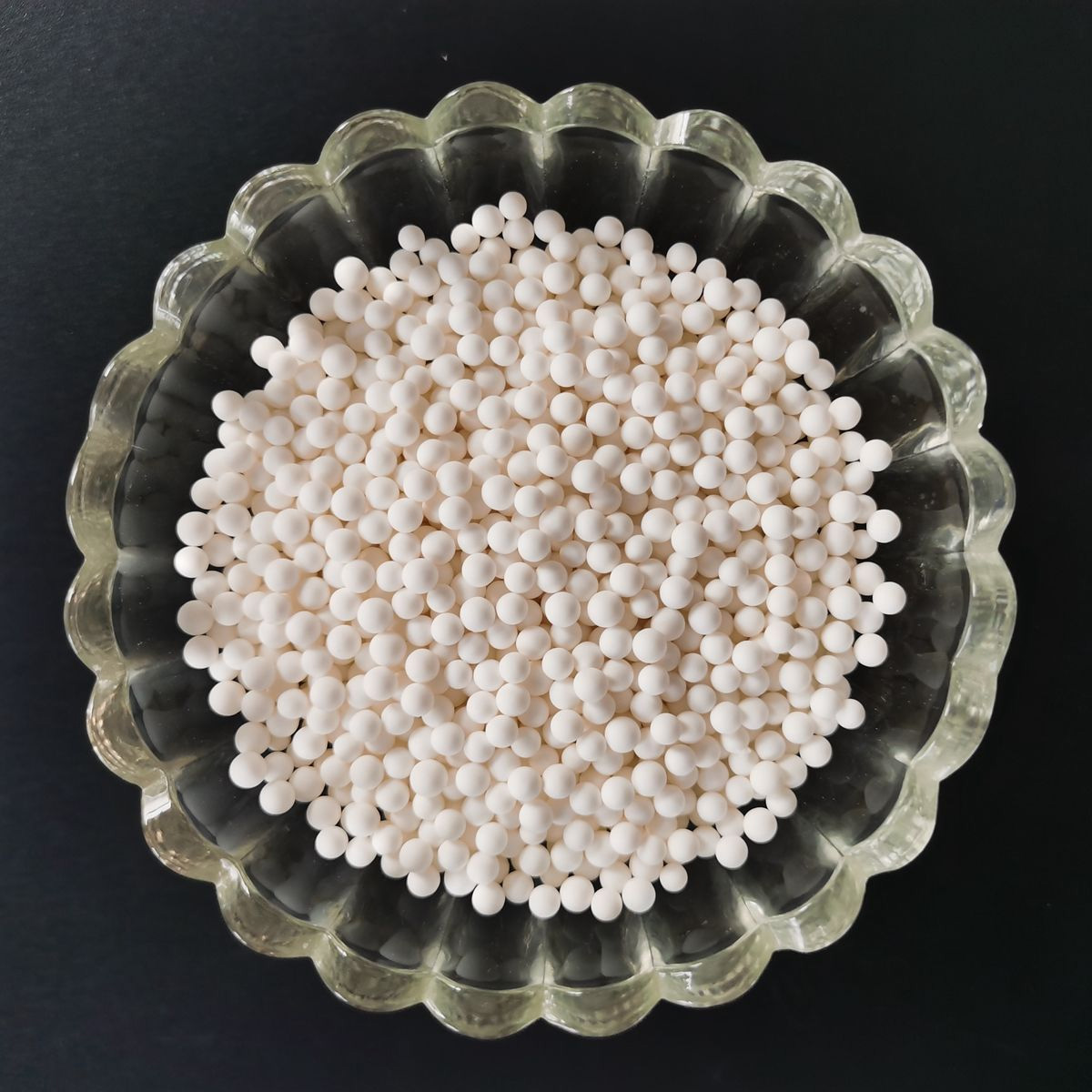
Ceramic beads are spherical particles produced from high-purity alumina, zirconia, or composite ceramics through precise forming and high-temperature sintering. With core properties including high hardness, high density, excellent wear resistance, superior chemical stability, and high sphericity, they play a critical role in sectors such as new energy, electronics, coatings, mining, and pharmaceuticals.
I. Core Application Areas
🔋 New Energy Material Grinding
In the production of lithium battery cathode and anode materials (e.g., LFP, NCM, silicon-carbon anodes), ceramic beads are essential for nanoscale dispersion and particle size control. High-purity zirconia beads (95% ZrO₂), with their ultra-high density and wear resistance, can efficiently grind materials to D50 ≤ 0.5μm while preventing metal contamination, ensuring battery performance and safety.
🖨️ Electronic Ceramics & MLCC
Multilayer ceramic capacitors (MLCCs) are core components in electronic devices. Ceramic beads are used for ultra-fine dispersion of dielectric slurries, requiring extremely narrow particle size distribution (Span < 0.8) and smooth, contaminant-free surfaces. High-purity alumina beads (99.5% Al₂O₃), valued for their chemical inertness and hardness, are the ideal choice for preparing MLCCs, ceramic substrates, and electronic packaging materials.
🎨 Coatings & Inks
In the production of high-end coatings, inks, and pigments, ceramic beads enable ultra-fine dispersion and homogenization of pigments. Using vertical sand mills with 0.3-1.0mm zirconia beads, pigments such as titanium dioxide and carbon black can be refined to below 15μm, improving gloss, tinting strength, and stability.
⛏️ Mining & Mineral Processing
In the grinding of non-metallic minerals (kaolin, calcium carbonate, quartz) and metallic ores (gold, copper, rare earths), ceramic beads are increasingly replacing traditional steel balls. Their advantages include no metal contamination, low wear rate, and 30-50% energy savings, making them especially suitable for high-purity mineral processing.
🧪 Pharmaceuticals & Food
In ultra-fine milling of pharmaceutical ingredients, nutraceuticals, and food additives, ceramic beads are the preferred grinding media due to their high purity, no heavy metal leaching, and GMP compliance. Microbeads of 0.1-0.3mm can be used for nanoscale dispersion of antibiotic ingredients and vitamin powders.
II. Technical Advantages: Why Ceramic Beads Are the Preferred Choice
Property Advantage
High Hardness Mohs hardness 8–9, wear resistance 5–10 times that of standard glass beads
High Density 3.8–6.0 g/cm³, grinding efficiency 25–40% higher than conventional media
High Sphericity Roundness ≥ 95%, excellent flowability, minimal equipment wear
Chemical Inertness Resistant to acids and alkalis (pH 1–14), no metal ion leaching
Controlled Particle Size Available from 0.05mm to 10mm to suit different process requirements
III. Market Trends: Moving Toward High-End & Customized Solutions
In recent years, the ceramic beads market has shown the following clear trends:
Trend
|
Description
|
Higher Purity
|
High-end sectors such as lithium batteries and electronic ceramics impose stricter limits on impurities (Fe₂O₃, Na₂O, etc.), driving demand for alumina beads with ≥ 99.5% purity.
|
Composite Materials
|
Al₂O₃-ZrO₂ composite beads combine hardness with toughness, improving impact resistance by over 50%—ideal for grinding high-viscosity materials.
|
Micro-Sizing
|
Demand is rising for microbeads of 0.05–0.2mm in applications such as 3D printing and semiconductor polishing slurry preparation.
|
Smart Applications
|
RFID-enabled smart beads and digital twin systems that monitor wear in real time are emerging as new industry directions.
|
IV. China: The Global Production & Innovation Hub for Ceramic Beads
China boasts a complete ceramic materials industry chain—from high-purity alumina and zirconia powders to precision forming and sintering equipment—making it a global leader in ceramic bead production. Key production regions include Shandong, Jiangsu, Henan, and Jiangxi.
In recent years, with the concentration of high-end manufacturing sectors such as new energy, electronics, and pharmaceuticals in China, the ceramic beads industry is shifting from traditional grinding media toward higher value-added, functional, and smart applications. Chinese-made ceramic beads are gaining increasing competitiveness in international markets.
V. Industry Outlook
Looking ahead, the ceramic beads market is expected to exhibit the following characteristics:
✅ High-End Applications Driving Quality Upgrades
Emerging fields such as solid-state batteries, 5G ceramic filters, and semiconductor packaging will continue to drive demand for ultra-fine, high-purity, and high-precision grinding media.
✅ Green Manufacturing Becoming a Core Requirement
Energy optimization and waste recovery in ceramic bead production will become key competitive differentiators.
✅ Customized Services as a Trend
The industry is moving from selling single products to offering integrated "media + process" solutions, helping customers optimize total operational costs.